
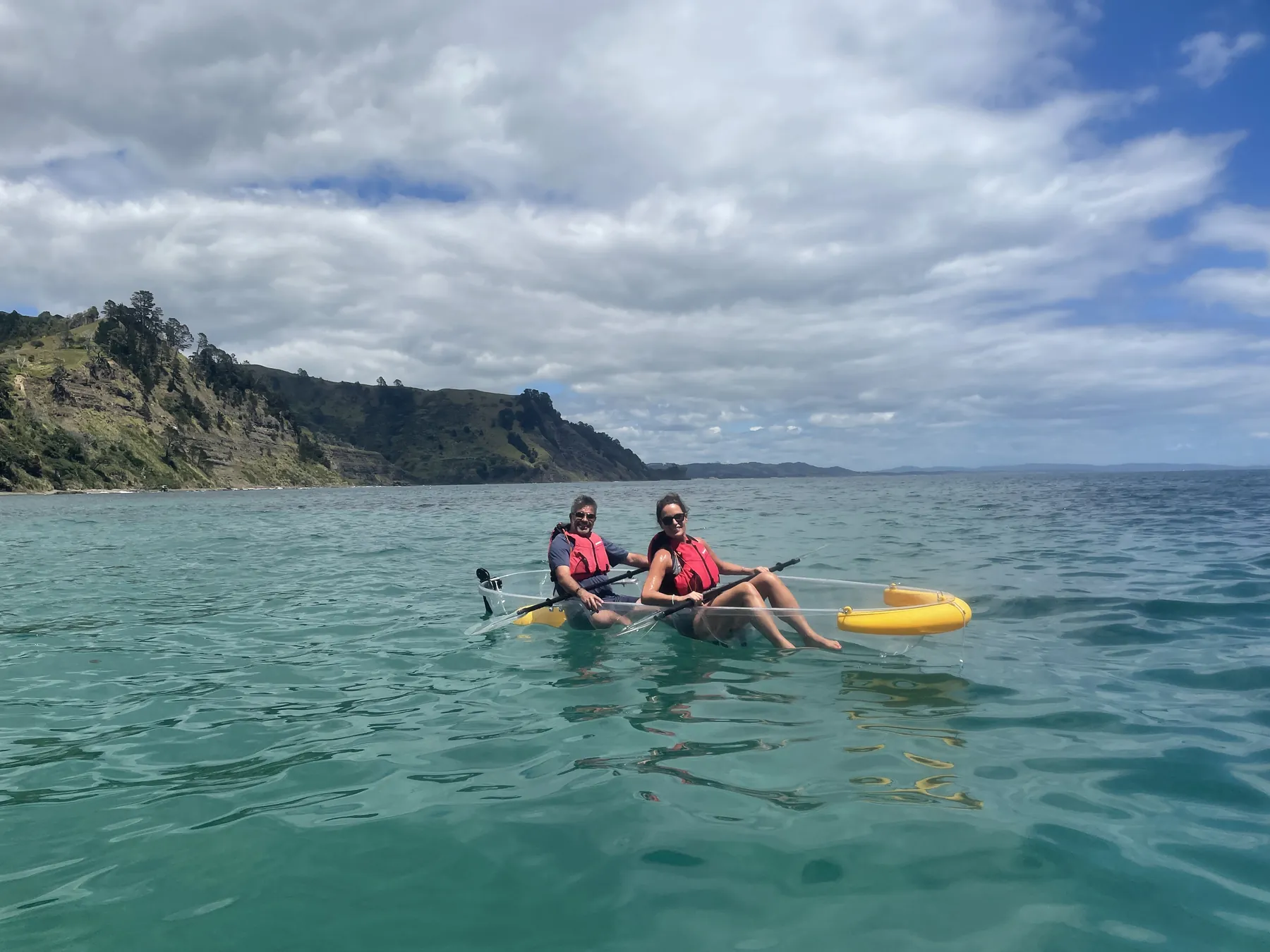
Te Hāwere-a-Maki: fifty years of protection, an hour north of Auckland, and some of the most tame fish you'll see on the coast.
In 1975, the stretch of coast between Cape Rodney and Okakari Point became the first marine reserve in New Zealand, with full protection in place by 1977. Fishing stopped, nothing was taken, and the sea was simply left to do what it does when you leave it alone.
Over half a century later, the difference is something you can see with your own eyes. Snapper that would be wary anywhere else drift right up to you. Crayfish can be seen in the water. Kelp forests have grown back thick along the rocks. It's become one of the most studied and most loved patches of ocean in the country, and the blueprint for nearly every marine reserve that followed.
In October 2025 it grew. Under the new Hauraki Gulf / Tīkapa Moana Marine Protection Act, the Cape Rodney–Okakari Point reserve roughly tripled in size, part of the biggest expansion of marine protection the Gulf has seen in a generation. More protected water means more fish, richer reef, and clearer water to look down into in the years ahead. Read what the extension means →
To Ngāti Manuhiri, the mana whenua of this coast, the island is Te Hāwere-a-Maki. We operate here with their support, alongside the Department of Conservation and Auckland Council, and we take looking after it seriously.
Leave it alone, and the sea comes back. Goat Island is the fifty-year+ proof.
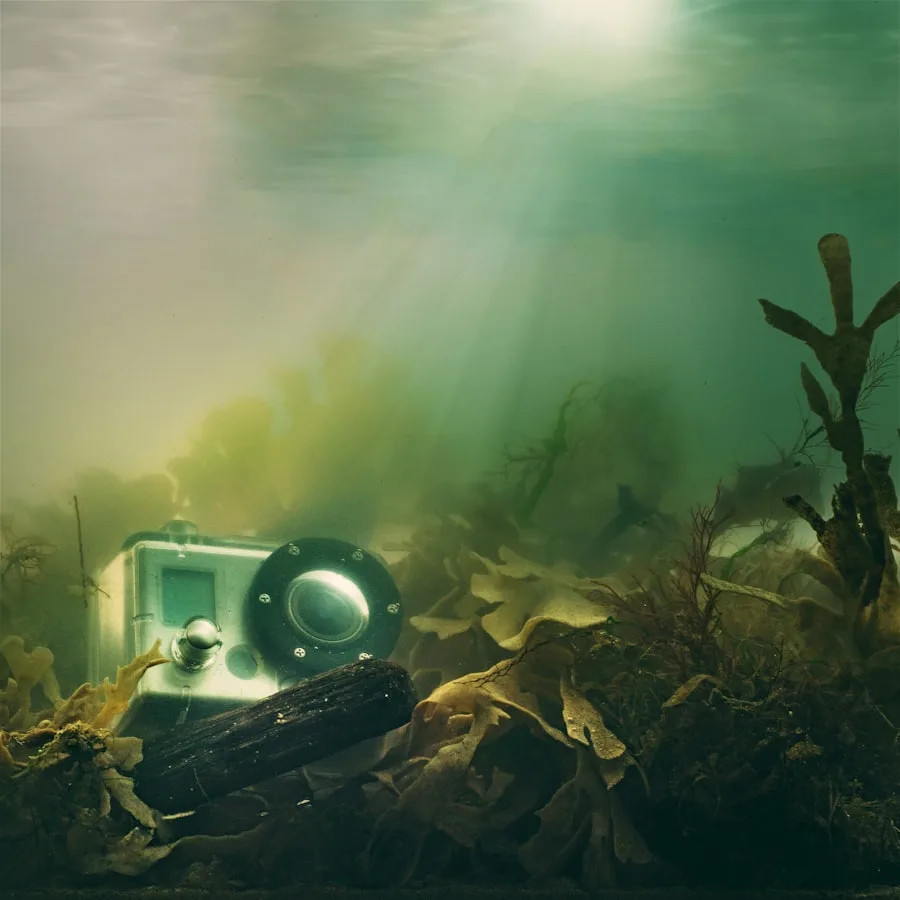
The reserve is busy below the surface. Here's some of what you might spot gliding below a clear hull.
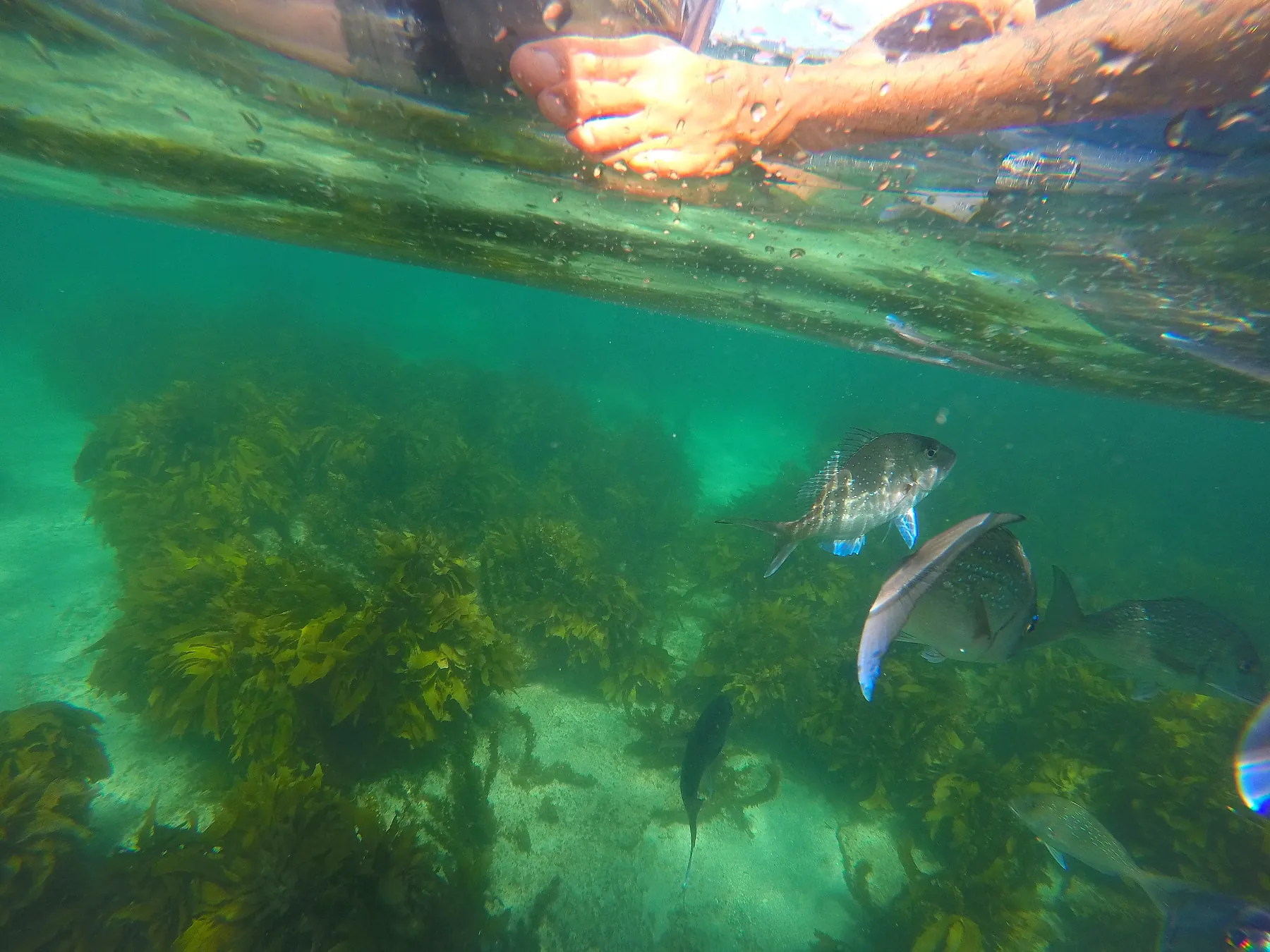
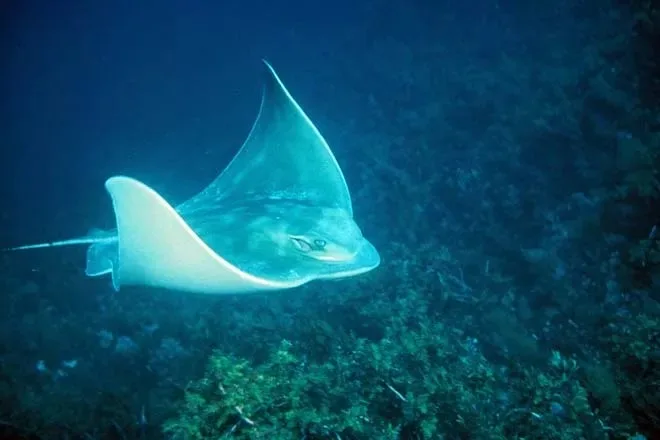
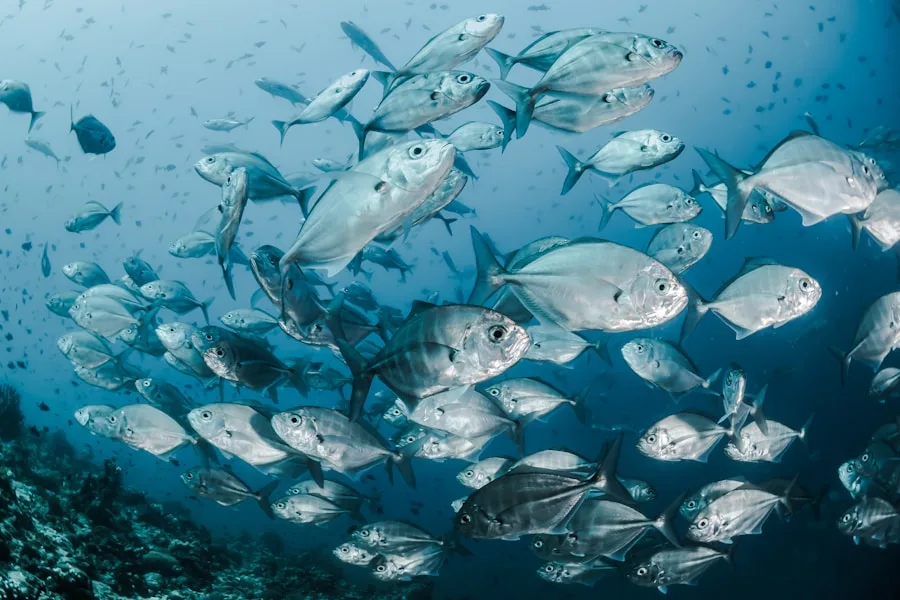
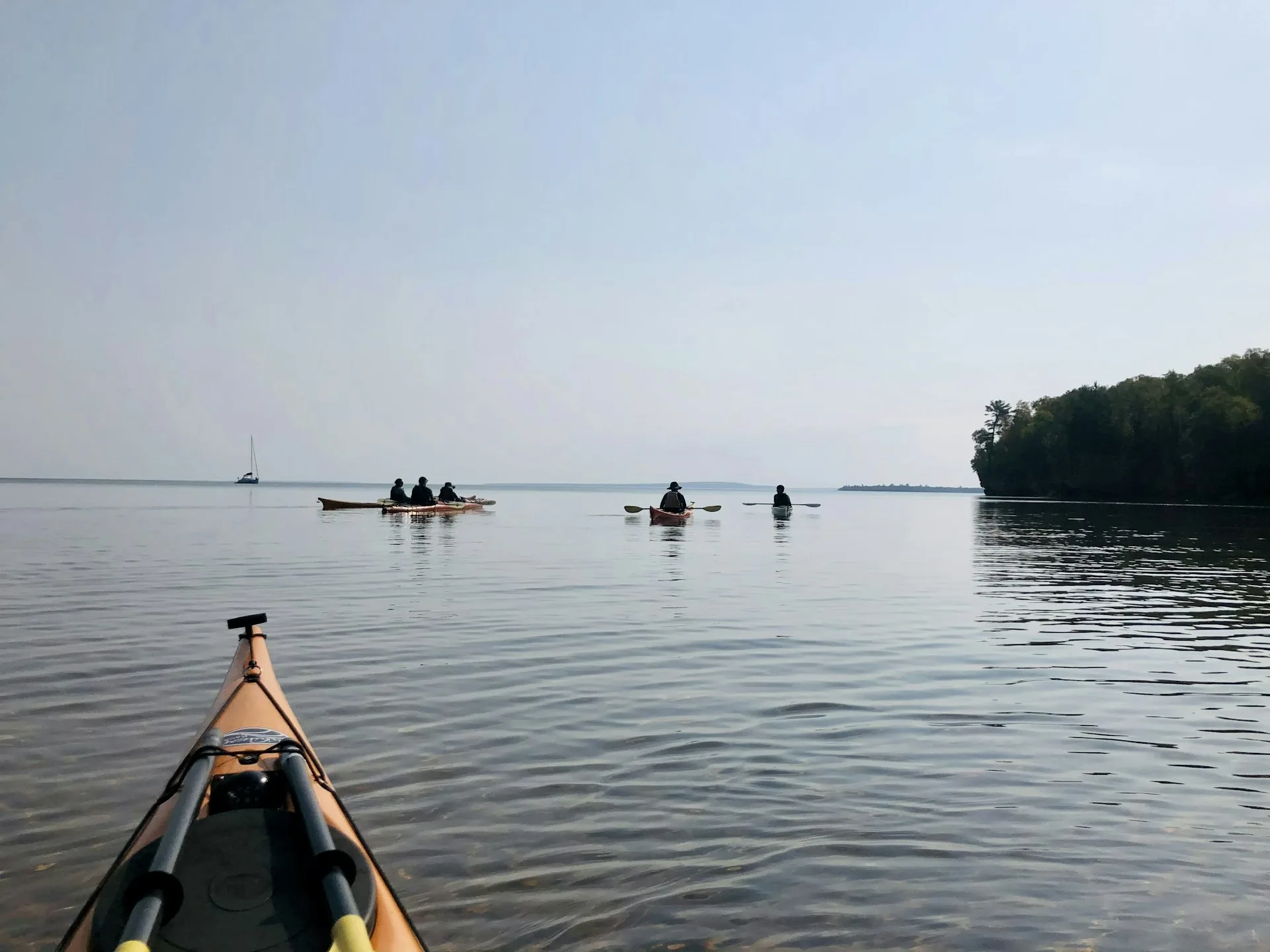
It's easier than people expect. No boat or ferry needed. You drive straight to the beach.
About an hour north of Auckland. Head up SH1, through Warkworth and Matakana, then on to Leigh and down Goat Island Road to the coast. The drive is half the fun.
There's a car park, public toilets and changing rooms right at the beach. It fills up fast on summer weekends, so arrive early. From December 2026 the car park is pay-to-park. Getting here & parking →
No two days on the water look the same, that's the open coast. We check conditions each morning and email everyone with a booking by 9am if we have to cancel, so you'll always know before you leave home.
Goat Island is a full day out if you want it to be. Here's what people come up from Auckland to do, in and out of the water.
Paddle a see-through kayak over the reef and watch the snapper and rays glide below you, without getting wet. We're the only clear kayak experience on the reserve. See sessions & pricing →
The main beach is calm and family-friendly, with toilets and changing rooms at the car park. An easy spot to spend the afternoon between dips.
A short track climbs to the headland above the beach for a view out over the island and the reserve, worth it at golden hour.
The University of Auckland's Marine Discovery Centre is a short walk from the beach, with touch tanks and exhibits.
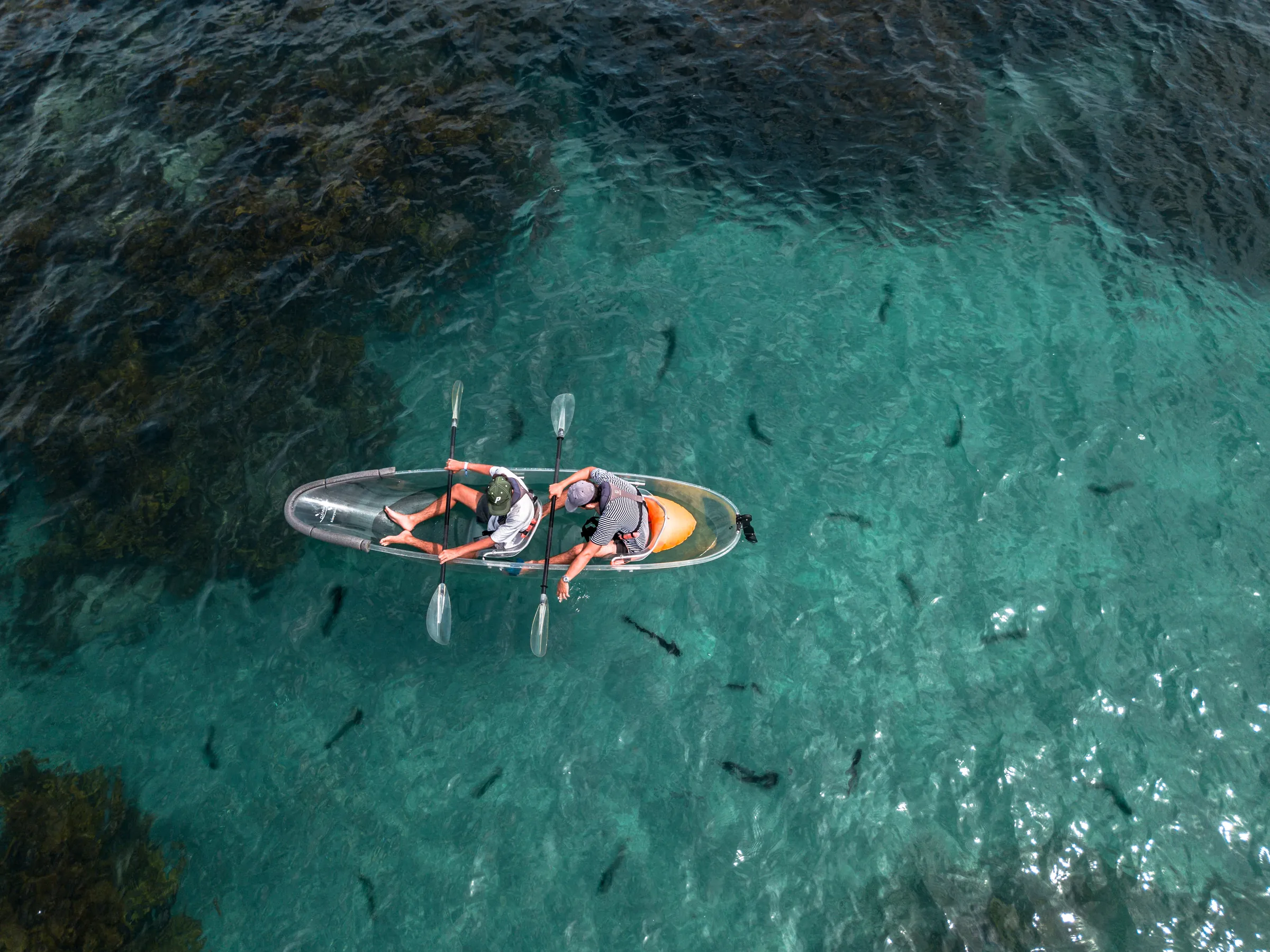
The best view of the reserve isn't from the beach. It's from just above it.
We're the only clear kayak experience on the reserve. Drift over the snapper and rays and watch it all happen beneath your feet.